Guides · Packing guide · 5 min
How to pack a kitchen without breaking anything
Plates on their edge, glasses in cells, and why the heaviest box in the house should be the smallest. The method our packers use every day.
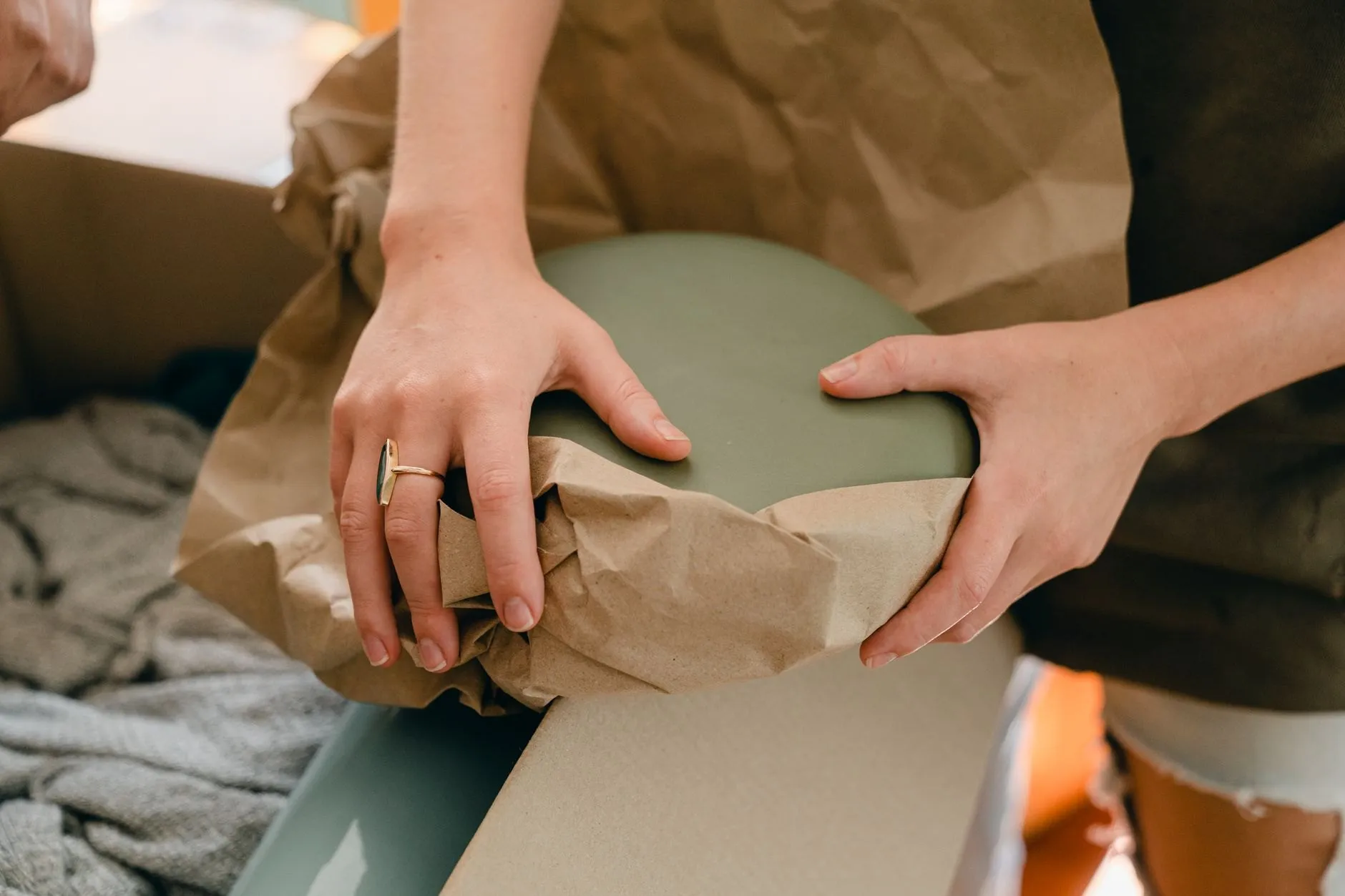
The kitchen takes longer to pack than any other room and it is where most breakages happen. Here is how our packers do it.
Get the right materials
You need small double-wall boxes, a lot of plain packing paper (newspaper leaves ink on everything), tape and a marker. For glasses, cell-divided cartons are worth the few pounds they cost.
Plates stand on their edge
Line the bottom of the box with a layer of scrunched paper. Wrap each plate in two sheets and stand it on its edge, like a record in a rack. A plate on its edge survives a knock that would crack a stack of flat ones.
Glasses go in cells
Stuff each glass with a sheet of paper, then wrap it. Stems get an extra sheet. Put them in a cell box, rims down, and fill the gaps so nothing moves when you shake the box gently.
Pans and tins go in the heavy box
Pans, tins and small appliances are heavy. Put them in a small box, so it stays liftable, and nest the pans inside each other with paper between.
Knives
Wrap knives in a tea towel, tape it round, and write KNIVES on it in big letters. Put the bundle in with the pans, never loose at the top of a box.
What to leave out
Keep one mug each, the kettle, a pan, a knife, washing-up liquid and a cloth. They go in the first-night box.
Or leave it to us
Fragile-only packing covers the kitchen, glass, pictures and lamps. For a three-bed house it usually adds about £230 and an hour and a half to the morning.